
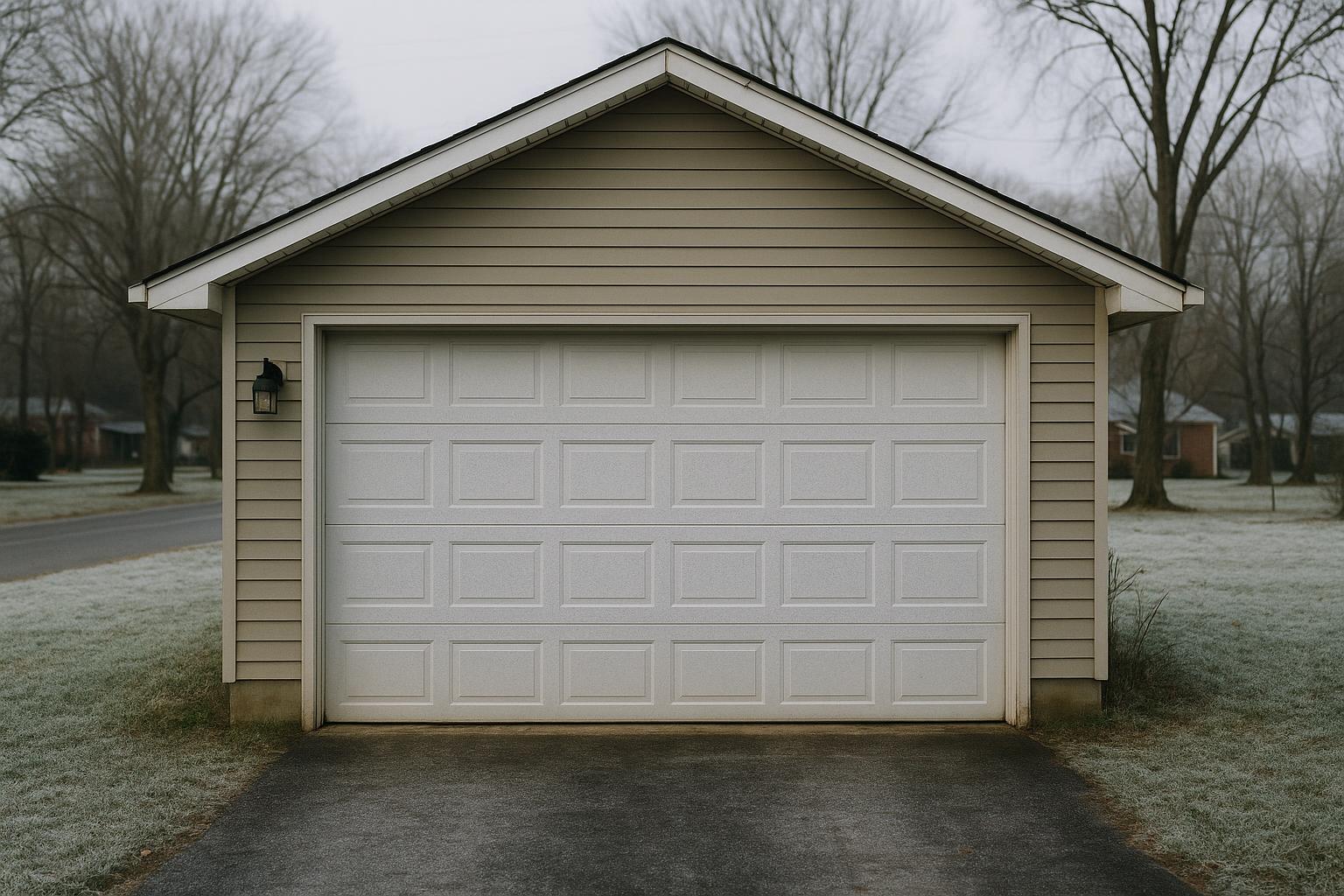
Winter Mornings and Stuck Garage Doors
You're running late, coffee in hand, and you hit the button to open your garage door. Nothing happens. Or maybe it groans, lifts a few inches, and stops. If you've lived in McMinnville long enough, you've probably dealt with this at least once during the colder months.
Cold weather creates real problems for garage doors, and it's not just about the inconvenience. Forcing a door that's stuck can cause damage to the opener, the tracks, or the door panels themselves. Understanding why cold temperatures affect your garage door — and knowing what to do about it — can save you from an expensive repair and a frustrating morning.
Why Cold Weather Causes Garage Door Problems
There are several reasons your garage door might refuse to cooperate when temperatures drop. Some are simple fixes, while others need professional attention. Let's walk through the most common causes.
1. Metal Contracts in the Cold
Your garage door system is made up of metal parts — tracks, springs, hinges, and rollers. When temperatures drop, metal contracts slightly. This can cause parts to bind, tracks to tighten, and the overall system to feel sluggish. In most cases, the contraction is minor, but when combined with other issues like poor lubrication, it's enough to stop a door in its tracks — literally.
2. Lubricant Thickens or Dries Out
The grease and lubricant on your springs, rollers, and hinges can thicken in cold weather. When lubricant gets stiff, it creates resistance instead of reducing it. Your opener has to work harder to move the door, and if the resistance is too great, the opener's safety features may prevent it from operating at all.
This is one of the easiest problems to prevent. A silicone-based garage door lubricant stays effective in lower temperatures much better than standard grease. If you haven't lubricated your garage door's moving parts recently, a cold snap is a good reminder to do it.
3. Weatherstripping Freezes to the Ground
The rubber weatherstripping along the bottom of your garage door is designed to seal out drafts, rain, and pests. But when water collects underneath it and freezes overnight, that seal can bond to the concrete floor. When you try to open the door, it's essentially glued down by ice.
If this happens, don't just keep hitting the button and hoping the opener powers through it. That can tear the weatherstripping, damage the bottom panel, or burn out your opener motor. Instead, try these steps:
- Gently tap along the bottom of the door with a rubber mallet to break the ice seal.
- Use a heat gun or hair dryer on a low setting to carefully melt the ice along the bottom edge.
- Pour warm (not boiling) water along the base to loosen the bond.
- Once free, dry the area and apply a silicone spray to the weatherstripping to help prevent it from sticking again.
4. Springs Lose Tension in Cold Weather
Garage door springs are under constant tension, and cold temperatures can cause them to lose some of their lifting power. A spring that was already nearing the end of its lifespan might not have enough force to lift the door when it's 25 degrees outside. You might notice the door feels heavier than usual or that the opener struggles more than it should.
If your springs seem weak, this isn't a DIY fix. Garage door springs are under extreme tension and can cause serious injury if handled incorrectly. Call a professional to inspect and replace them if needed.
5. The Opener's Sensitivity Settings
Most modern garage door openers have force and sensitivity settings that control how much resistance the motor will push through before stopping. In cold weather, when everything is stiffer and tighter, the normal amount of force might not be enough. The opener senses extra resistance and stops, thinking something is blocking the door.
You can adjust the force settings on most openers — your owner's manual will show you how. But be careful. Cranking the force up too high defeats the safety purpose of those settings. If you need to increase it significantly to get the door moving, there's likely an underlying mechanical issue that needs attention.
Preventive Steps to Keep Your Garage Door Working All Winter
The best way to deal with cold-weather garage door problems is to prevent them before the first freeze hits. Here in McMinnville, our winters aren't extreme, but we get enough cold snaps to cause trouble if your door isn't maintained. A few simple steps in the fall can make a big difference.
- Lubricate all moving parts. Apply a silicone-based lubricant to the springs, rollers, hinges, and tracks. Avoid WD-40 for this job — it's a solvent, not a long-term lubricant.
- Inspect the weatherstripping. If it's cracked, brittle, or missing sections, replace it before winter. New weatherstripping seals better and is less likely to freeze to the floor.
- Test the door balance. Disconnect the opener and lift the door manually to about waist height. If it stays in place, the springs are balanced. If it falls or rises, the springs need adjustment.
- Check the tracks. Look for debris, rust, or bends in the tracks. Clean them out and make sure the rollers move smoothly.
- Schedule a professional tune-up. A trained technician can catch problems you might miss and make adjustments that keep everything running smoothly through the cold months.
When to Call a Professional
Some cold-weather garage door issues are easy to handle on your own. Applying lubricant, clearing ice from the weatherstripping, and checking for obvious obstructions are all things most homeowners can do safely. But there are situations where you should call in a pro:
- The door won't open at all, even after troubleshooting
- You hear loud popping or snapping sounds — this could indicate a broken spring
- The door opens unevenly or appears crooked
- The opener motor runs but the door doesn't move
- You notice frayed cables or visibly damaged hardware
These issues involve components that are under high tension or connected to electrical systems, and they're best left to someone with the right tools and experience.
Don't Wait Until You're Stuck
Cold-weather garage door problems are predictable, which means they're preventable. If you're in McMinnville or the surrounding Warren County area and your garage door has been giving you trouble this winter — or if you want to make sure it doesn't — give us a call at McMinnville Door & Opener. We'll take a look, make the necessary adjustments or repairs, and make sure you're not stuck in your garage on the coldest morning of the year.